
Your First Card Show Table: A Setup Checklist That Actually Holds Up
Renting a table at a card show is the easy part. You pay for the space, load the car, and figure it out when you get there. Then the doors open, foot traffic starts, and you learn very quickly that the guy two tables down with the risers, the clean price tags, and the dollar bin is doing three times your volume with worse cards.
None of that is luck. Selling at a show is mostly preparation, and almost all of it happens before you leave the house. Here's the version of the checklist we wish someone had handed us.
Sort your inventory before the show, not at it
The single biggest time sink at a table is hunting for a card someone just asked about. Sort before you go and sort ruthlessly: by sport, then by player or set, in a way you can explain to a stranger in one sentence.
Your good cards belong in One Touch magnetics or at minimum a toploader with a penny sleeve. Anything you would be annoyed to lose should not be loose in a box where a browsing hand can bend a corner.
Build the table in layers
A flat table of boxes reads as work. People walk past it. Height is what stops them, so bring something to build with: risers, a couple of small stands, even a sturdy box under a tablecloth. Put your best three or four cards at eye level and let everything else sit below.
Then give people a reason to stop moving. A clearly marked dollar bin or quarter box is the oldest trick at any show and it still works, because browsing a cheap box is low commitment. Once someone's hands are in a box, you're in a conversation, and conversations are where the real cards sell.
- A tablecloth, so your table doesn't look like a folding table
- Risers or stands for your headline cards
- A dollar or quarter box to slow foot traffic down
- A small light if the venue is dim, especially for anything holographic or refractor
Price everything, even if it feels tedious
Unpriced cards cost you sales. Plenty of buyers will not ask, they will just move on, and the ones who do ask will read your hesitation as room to negotiate. Price it, even roughly, and you skip both problems.
Check recent sold listings the week of the show rather than working from memory, and decide your floor before you arrive. Deciding what you'll accept while someone stands in front of you with cash is how you end up regretting a trade on the drive home.
Take every kind of payment
Cash is still king at shows, so bring change, and bring more small bills than you think you need. Nothing kills a twelve dollar sale like neither of you having anything smaller than a fifty.
Then set up the digital options too, and write your handles on a sign. Half your buyers will reach for their phone first. Test that the venue actually has signal before you rely on it, because church basements and VFW halls are famously terrible for it.
Brand the table, and brand what leaves it
Most tables at a show are anonymous. The vendor is a guy behind some boxes, and once the buyer walks away there's nothing connecting them to you. That's the gap worth closing, because show buyers are repeat buyers if they can find you again.
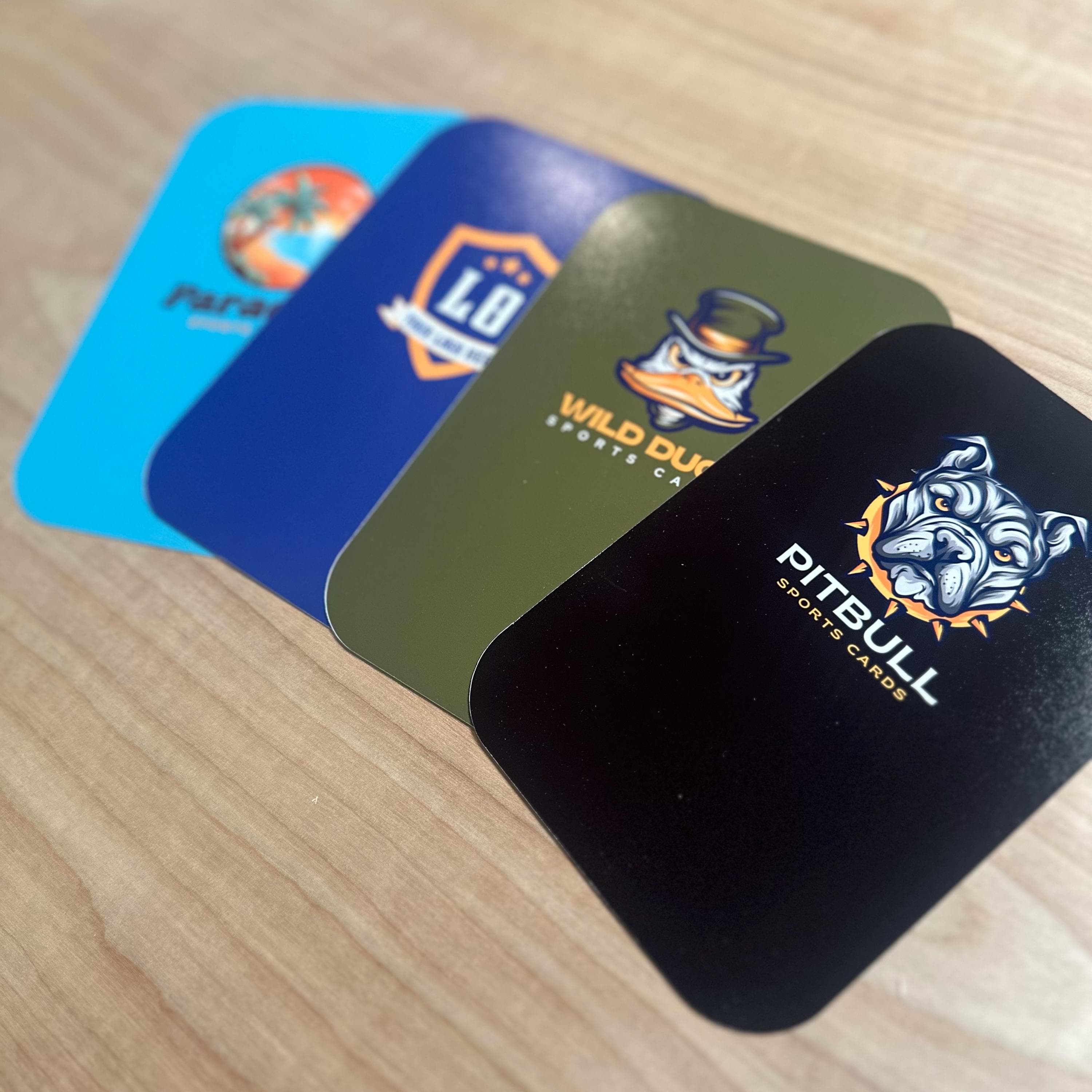
Put your logo where it travels. A sealed One Touch with your sticker on top goes home in someone's collection and stays there. A thank-you card in the bag gives them your Instagram handle after they've left. If you sell repacks, branded bags do the same work on the shelf and on camera.
It costs very little, and it's the difference between one good Saturday and a buyer who messages you before the next show asking what you're bringing.
The unglamorous packing list
The stuff nobody mentions until you're eight hours in without it:
- Penny sleeves, toploaders and team bags, more than you planned for
- A folding chair, because the one provided is usually a lie
- Water and food you can eat one-handed
- A power bank, since your phone is your payment terminal and your price guide
- A rag and glass cleaner for cases and magnetics
- Tape, scissors, and a marker
- A lockbox or pouch for cash that never leaves your body
After the doors close
Write down what sold and what didn't while it's still fresh. Two shows of honest notes will teach you more about your local market than a year of guessing, and it stops you from hauling the same dead inventory to every event.
Then follow up. Anyone who bought something meaningful, anyone who asked about a card you didn't have, anyone who took your card. That's your list for next time, and it's worth more than the table fee.
Shop the gear in this guide
Ready to put your logo on the hobby? Shop custom stickers or ask us anything — we usually reply the same day.